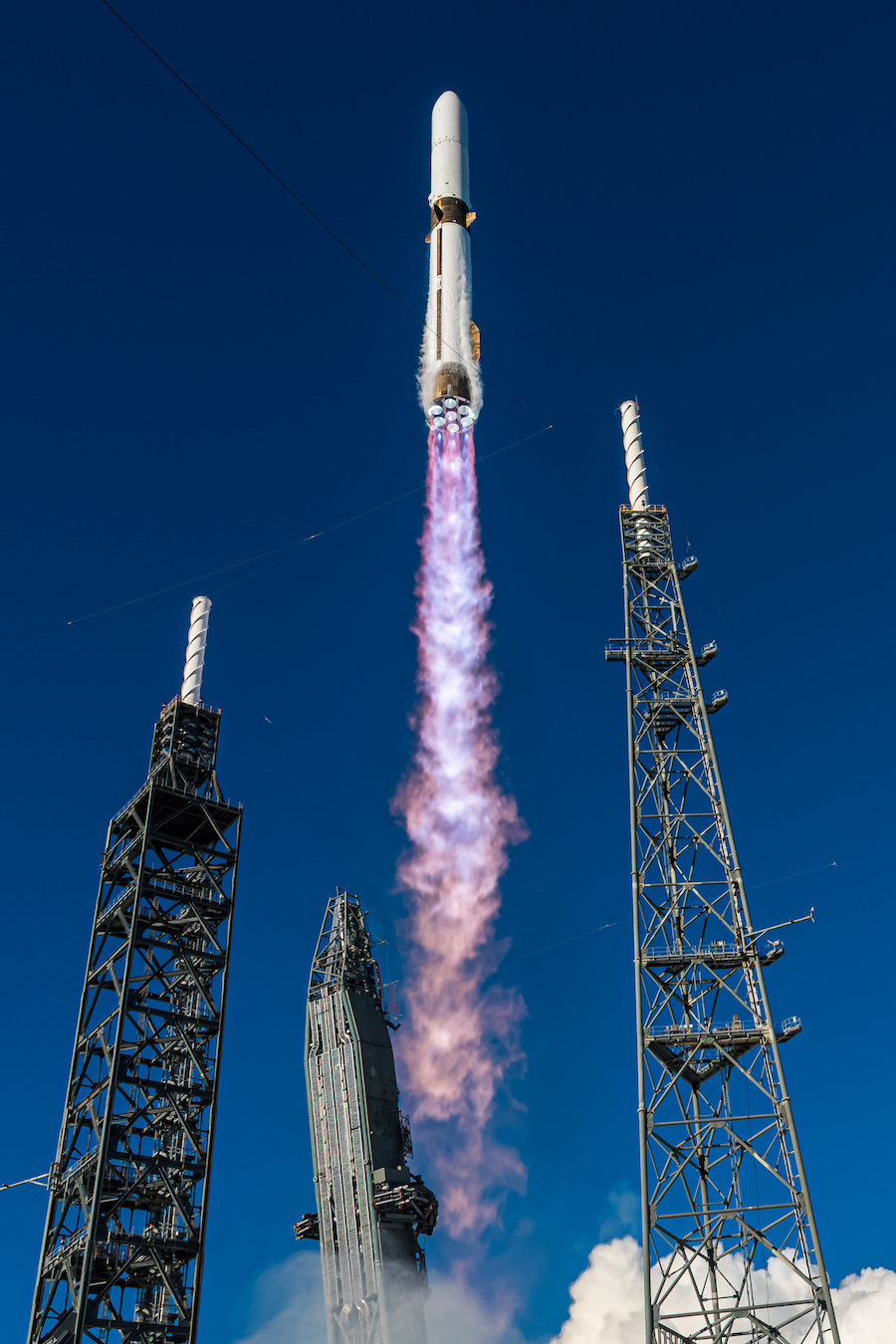
 Blue Origin"s New Glenn rocket made history by landing successfully after its second orbital launch, a feat that demonstrates the company"s growing capabilities in the aerospace industry. The successful landing is a critical step towards establishing a reliable and reusable launch system, which is essential for reducing the cost of access to space and increasing the frequency of launches.
From a technical standpoint, the New Glenn rocket is powered by a combination of BE-4 and BE-3U engines, which provide the necessary thrust to reach orbit. The rocket"s ability to land safely back on Earth after an orbital launch is a testament to the company"s engineering prowess and its commitment to developing reusable launch technology. The use of methane as a propulsion type also highlights the company"s focus on developing more sustainable and efficient launch systems.
The context behind this achievement is rooted in Blue Origin"s ambitious plans for space exploration and development. The company has been working towards establishing a human presence in space, with its New Glenn rocket playing a critical role in carrying both crew and cargo to orbit. The upcoming mission to carry the Blue Moon Mark 1 lunar lander will be a significant test of the rocket"s capabilities, as the lander is taller than the Apollo Lunar Module and requires precise launch and landing procedures. The fact that the lander will be tested in a vacuum chamber prior to launch underscores the company"s attention to detail and commitment to ensuring the success of its missions.
The significance of this achievement extends beyond Blue Origin, as it has major implications for the broader aerospace industry. The successful development of reusable launch technology has the potential to disrupt the traditional launch market, making it more accessible and affordable for a wider range of customers. Furthermore, the company"s plans to increase its launch cadence to up to 24 launches in 2026 demonstrate its commitment to meeting the growing demand for launch services. With Blue Origin building enough hardware to support well above a dozen flights in 2026, it is clear that the company is poised to play a major role in shaping the future of space exploration and development.
In conclusion, the successful landing of Blue Origin"s New Glenn rocket after its second orbital launch marks a significant milestone for the company and the aerospace industry as a whole. As the company continues to push the boundaries of space technology and exploration, it will be exciting to see how its achievements impact the future of space travel and development.